Life Transition Planning & Support
Structure major milestones with calm guidance. From moving out to entering employment, study, or new supports, we help create a roadmap that is practical, coordinated, and sustainable.
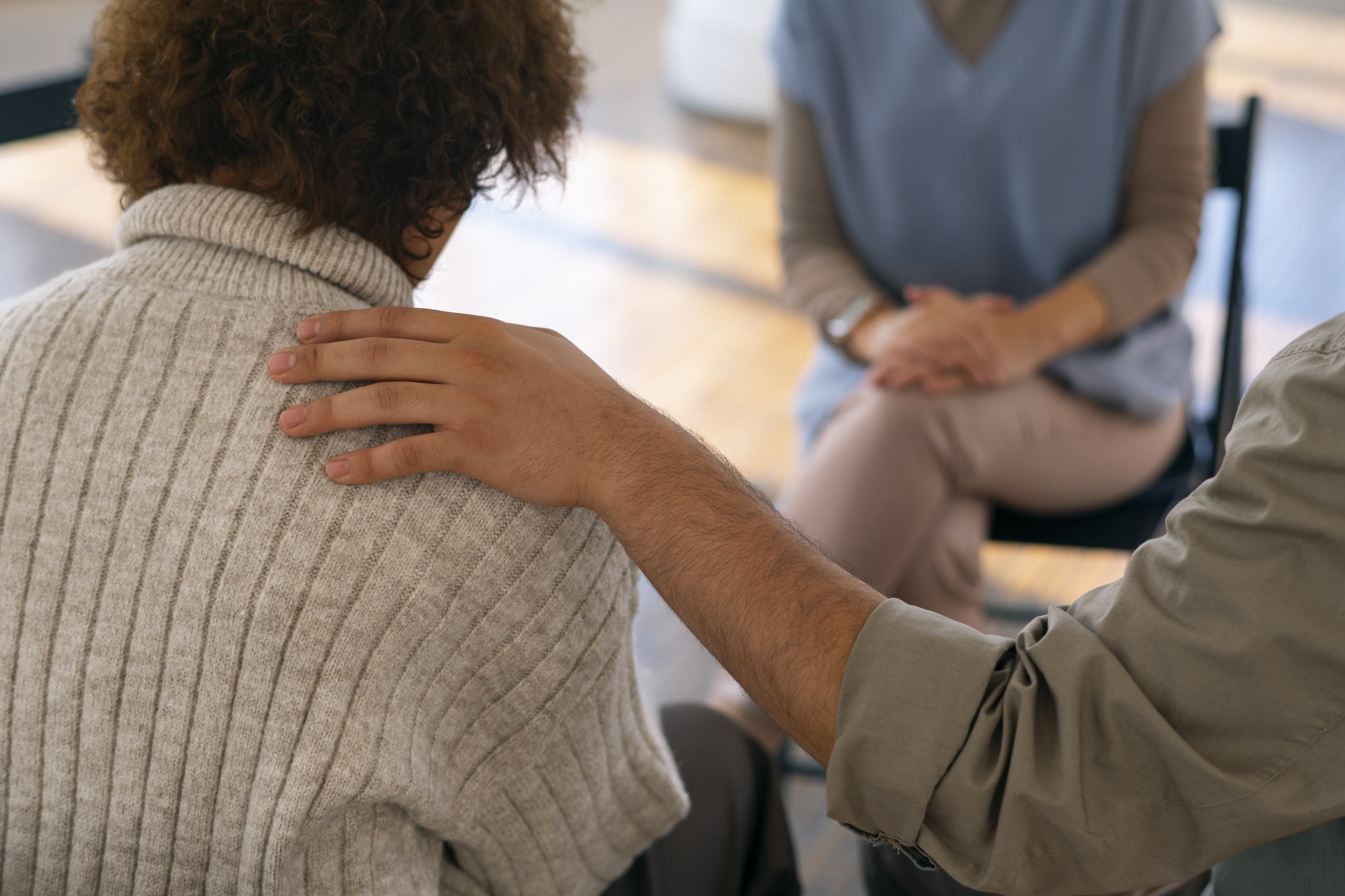
Clarity for complex change
Some transitions are expected. Others arrive suddenly. Either way, we help make the next stage easier to understand, plan for, and move through step by step.
School to Post-School
Support with study pathways, routines, community participation, next-step planning, and reduced overwhelm after school finishes.
Moving Out
Practical preparation for greater independence, including routines, support coordination, communication, and everyday living skills.
Employment Change
Planning for entry into work, training, changed duties, or re-engagement with structure after a difficult period.
New Diagnosis
Support to make sense of what has changed, understand options, and build a steadier support framework around the diagnosis.
Family or Relationship Change
Guidance through changing family roles, separation, new caregiving pressures, or shifts in housing and support.
Reintegration
Support after hospitalisation, rehab, incarceration, or institutional care to rebuild safety, routine, and community connection.
A plan that moves from assessment to action
We begin by understanding the current situation, the goals ahead, and the barriers making progress harder than it needs to be.
From there, we develop a tailored transition plan with practical milestones, skill-building priorities, and the right level of support around each stage.
Where needed, we coordinate with providers, educators, employers, and services so the plan is not sitting in isolation from the people involved.
Transition Mapping
Assessment of current needs, barriers, risks, and priorities followed by clear milestones and a workable next-step sequence.
Practical Skill-Building
Support may include routines, organisation, communication, transport, community access, and preparation for greater independence.
Post-Transition Check-Ins
We do not just plan the move. We can stay involved after the transition to review what is working and adjust support where needed.
Planning is strongest when it stays close to daily reality
Big change often needs more than one meeting and a written plan. People usually need space to prepare, test routines, adjust expectations, and build confidence while the transition is actually unfolding.
That is where visual, practical, and community-based support matters. We keep the work anchored in the environments where change will really happen.
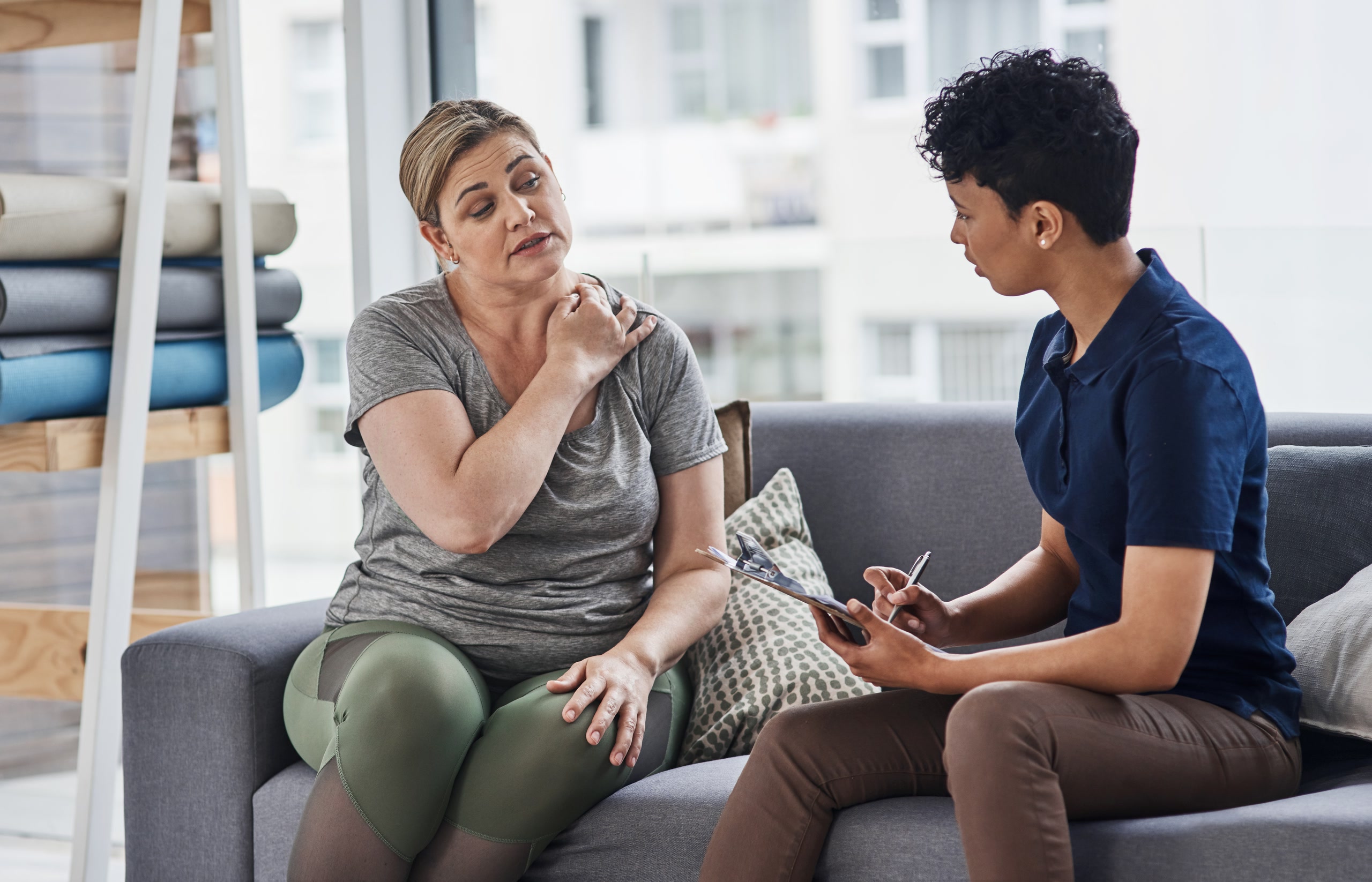
Clinical insight paired with real-world follow-through
Life transition support is stronger when planning and implementation are connected. Occupational therapy frameworks help identify function, barriers, and risk, while peer mentoring helps carry the plan into everyday life.
- Assessment and strategy are tied to day-to-day reality, not just ideal outcomes.
- Skill-building, mentoring, and coordination can continue after the plan is written.
- The process stays centred on capacity-building, sustainability, and a workable pace.
- Young people and adults entering a new stage of independence.
- People whose support systems, home environment, funding, or routines are changing.
- Clients and families wanting a more coordinated transition rather than piecemeal support.
Breaking it down into clear steps turned something overwhelming into something possible.
Past Client
Pathways tailored to the transition
NDIS
This service may sit within relevant NDIS capacity-building and transition-related supports when aligned to participant goals and functional outcomes.
Private Access
Private support is available for clients and families wanting transition planning and practical implementation without waiting for funded access.
Other Referral Pathways
Government-funded referrals may also be available where transition support has been identified as part of a broader care or recovery pathway.

Start with the transition in front of you
We begin with an initial consultation to understand the transition, current supports, goals, and any immediate barriers or risks.
From there, we recommend the most suitable mix of planning, mentoring, outreach-based support, and coordinated input from relevant services.
Support can be adjusted before, during, and after the transition so the plan stays useful as circumstances change.