Community Access & Social Participation
Build confidence in real-world environments. Mentors can accompany you into community spaces, social settings, classes, and everyday routines so participation feels safer, more meaningful, and more achievable.

Expanding your world, safely and gradually
Supported Community Outings
Support can include cafes, parks, shops, libraries, community centres, events, classes, and other environments that matter to the individual.
Public Transport Training
We can build route confidence, travel planning, and the practical skills needed to move through the community more independently.
Social Confidence
Mentors can support conversation skills, joining in, reading social situations, and reducing anxiety around new environments or people.
Interest-Led Participation
We help people explore clubs, volunteering, sport, classes, community groups, and local opportunities that fit who they are.
Capacity-building, not babysitting
The aim is genuine belonging and growing independence over time. We start where the person feels safest, then gradually stretch confidence without forcing pace.
Support is interest-led, practical, and relational. As confidence grows, mentors step back strategically so participation becomes more self-directed and sustainable.
Skills We Build
- Conversation and social confidence
- Planning, timing, and community routines
- Transport confidence and route practice
- Friendship and connection skills
Connection Pathways
- Clubs and hobby groups
- Volunteering and local opportunities
- Sport, classes, and programs
- Relevant training or community-based work pathways
What Progress Can Look Like
Progress might mean taking a first outing after isolation, travelling on public transport with support, joining a regular class, building new friendships, or reaching the point where the mentor is needed less often because confidence is holding.
Participation grows through repetition, support, and safe stretch
Community confidence is often built one familiar outing at a time. A trip on public transport, joining a local activity, or practising conversation in a low-pressure space can become the foundation for much bigger change.
The goal is always movement toward confidence, belonging, and independence rather than relying on support forever.

For people ready to build belonging beyond the front door
- Individuals facing social anxiety, low confidence, isolation, or difficulty accessing the community independently.
- People who want meaningful friendships, stronger conversation skills, and a better sense of connection in everyday life.
- Clients wanting practical support to access local activities, routines, and opportunities in a way that builds long-term capacity.
Community access is not about filling time. It is about building confidence, identity, connection, and the practical ability to participate in a life that feels bigger and more self-directed.
Having someone beside me made the outside world feel possible again, one small step at a time.
Past Client
Support pathways for real-world participation
NDIS
Community access and social participation can often align with relevant NDIS support categories focused on capacity-building, social participation, and community engagement.
Private Clients
Private support is available for people wanting structured help to re-enter the community, build confidence, or increase social participation.
Referral Pathways
Other government-funded pathways may also apply where social participation and community reintegration are part of the support plan.
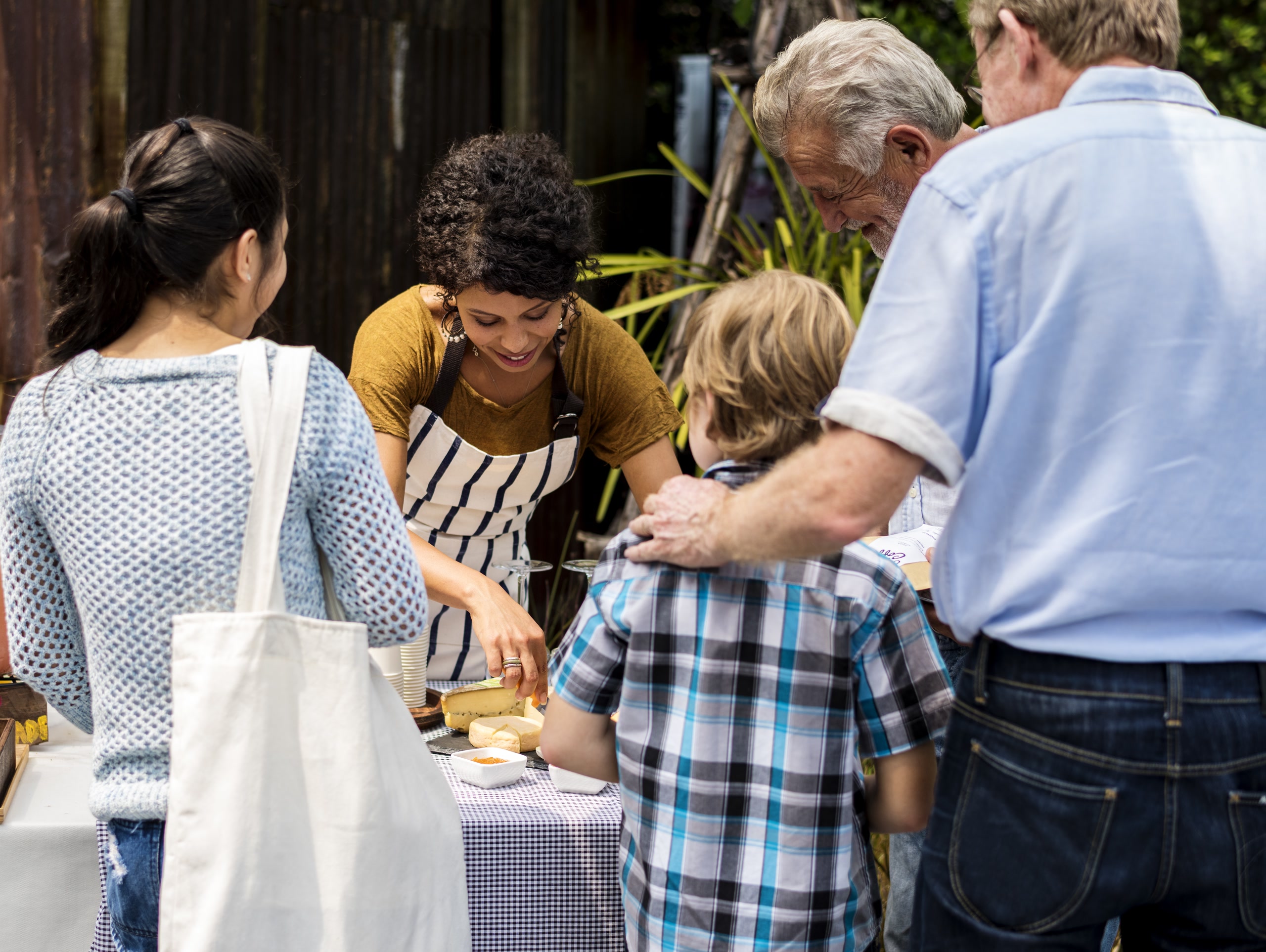
Matched support that starts where you feel comfortable
We begin with an initial conversation about interests, current confidence, transport needs, social goals, and the environments that feel manageable right now.
Support is then matched around the person, with outreach-based delivery available at home, in the community, or through other agreed settings.
As confidence grows, support can step down gradually so independence becomes more natural and sustainable over time.